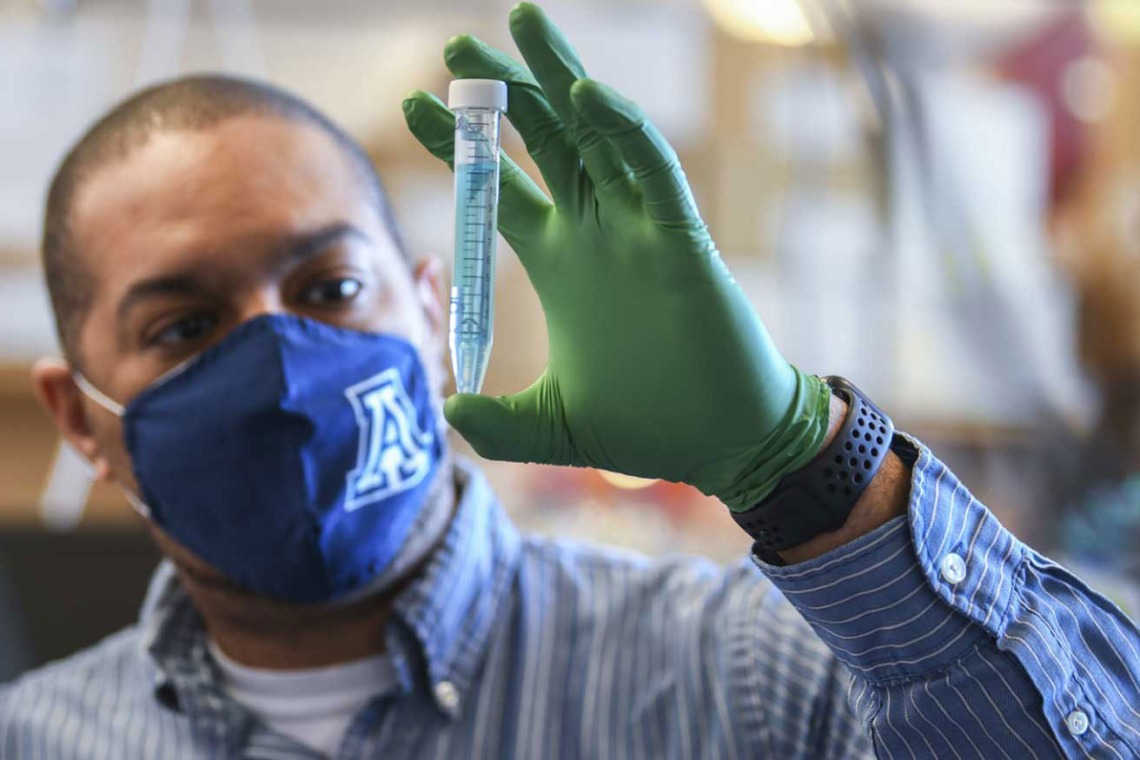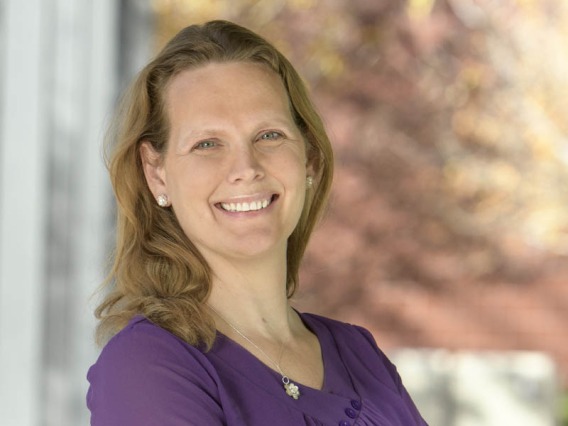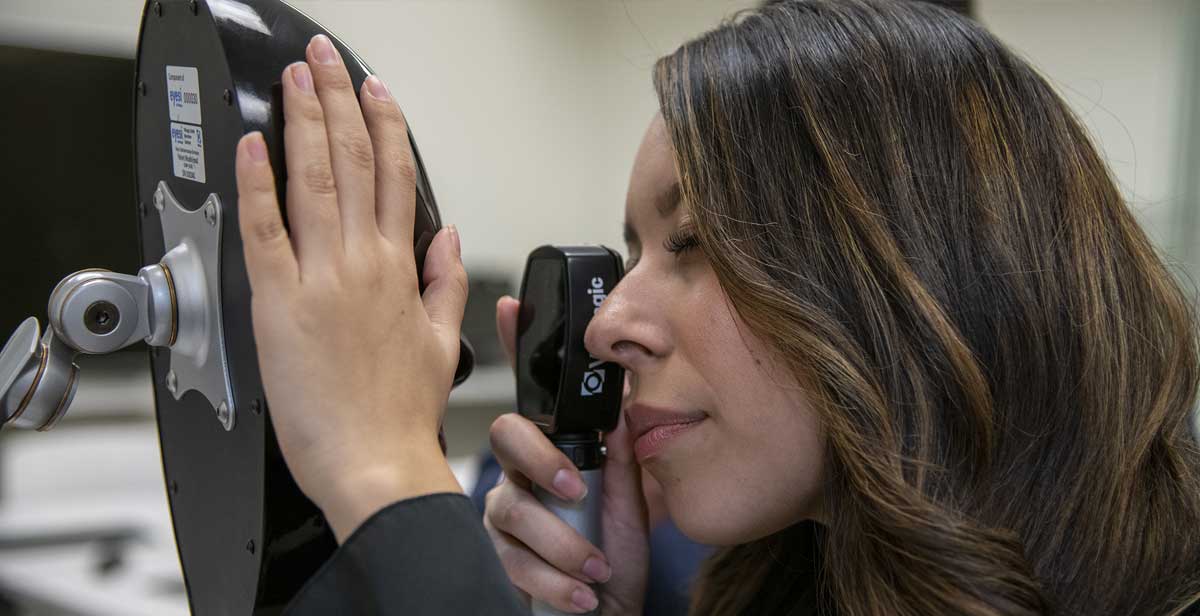



Dr. Zain Khalpey, associate professor of surgery, UA Department of Surgery.
Click on title to watch video

Shyam M. Shridharani, MD, Assistant Professor of Orthopaedic Surgery discusses how spine surgery can restore function to the body. Dr. Shridharani is a board certified spine surgeon at the University of Arizona Department of Orthopaedic Surgery. He practiced in Washington, D.C. for three years prior to joining the UA College of Medicine. He completed his residency and fellowship training at the Mayo Clinic and University of California. His special skills include spinal microsurgery, minimally invasive spine surgery, and complex spine surgery. He treats a broad range of cervical, thoracic, and lumbar spine disorders, and is able to offer patients highly advanced spine care
Click on title to watch video
Biomedical engineer Bijan Najafi, PhD, a renowned expert on human motion recently recruited to the University of Arizona Department of Surgery, has brought together UA researchers, clinicians and biomedical engineers to form the Interdisciplinary Consortium on Advanced Motion Performance (iCAMP).
Click on title to watch video
A new Center for Sleep Disorders at The University of Arizona Medical Center – University Campus is treating patients for a variety of sleep problems, including sleep apnea, insomnia, narcolepsy, restless leg syndrome and others.
“The mission of our sleep center is to not only diagnose and treat sleep disorders but also to promote sleep health for adults and children,” said Sairam Parthasarathy, MD, medical director of the Center for Sleep Disorders.
Click on title to watch video
Sarver Heart Center’s newest video makes it easy to learn Continuous Chest Compression CPR. Every three days, more Americans die from sudden cardiac arrest than the number who died in the 9-11 attacks. You can lessen this recurring loss by learning this hands-only CPR method that doubles a person’s chance of surviving cardiac arrest. Watch physician researchers Gordon A. Ewy, MD, and Karl Kern, MD, demonstrate the easy, life-saving method that they developed at the University of Arizona College of Medicine.